Security by CleanTalk helps prevent malware execution in WordPress uploads. A PHP document returns 403 after protection takes effect, while project images remain available.
Disable PHP Execution in WordPress Uploads with CleanTalk
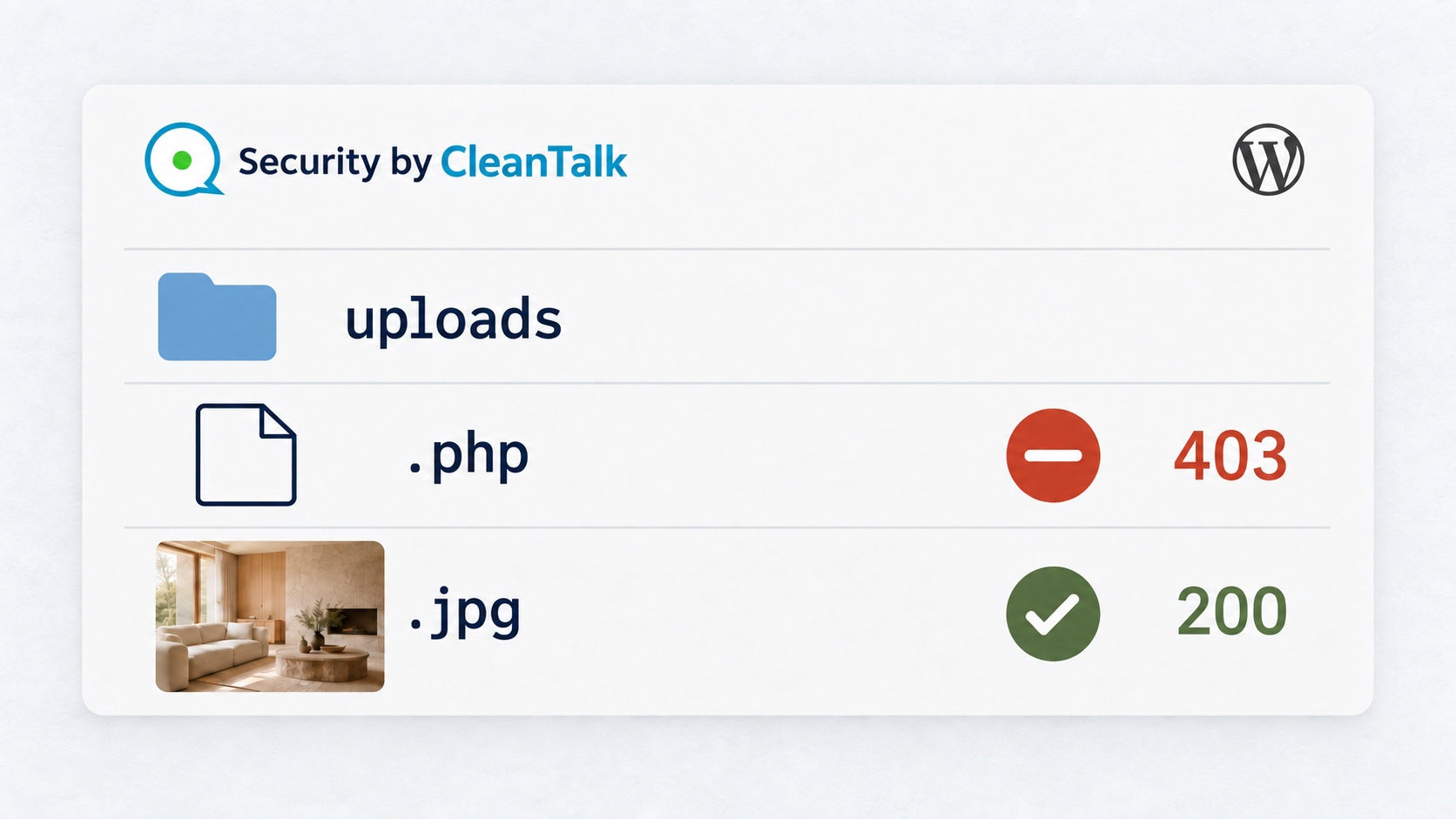
Security by CleanTalk helps prevent malware execution in WordPress uploads. A PHP document returns 403 after protection takes effect, while project images remain available.
File upload add-ons for Contact Form 7 receive untrusted files from anonymous website visitors, write them into the WordPress uploads directory, and expose AJAX endpoints for uploading and deleting those files. Drag and Drop Multiple File Upload for Contact Form 7 version 1.4.0 has successfully completed the CleanTalk Plugin Security Certification process and received PSC-2026-64695, confirming that the review focused on unauthenticated AJAX upload handling, file-extension and MIME validation, filename sanitization and anti-script renaming, upload-path confinement, token-based file-deletion authorization, request rate limiting, and output escaping in the settings screen.

CVE-2026-2381 affects WooCommerce Stripe Payment Gateway and allows unauthenticated attackers to change pending orders to Failed through the public wc_stripe_pay_for_order endpoint. The handler accepts a supplied order ID without checking order ownership or an order key. A request with a fake payment method can trigger a payment error that changes the selected order status. Versions through 10.7.0 are affected, with a fix in 10.8.0.
CVE-2025-15693: an Admin+ Path Traversal in the JCH Optimize WordPress plugin (4.2.1–5.0.0), reachable through the dir parameter of the filetree AJAX action. Details, timeline, PoC and remediation.
CVE-2025-15694: an Admin+ Stored XSS in the Joli Table Of Contents WordPress plugin (2.0.0–2.8.0), triggered through the headings_overflow setting on the plugin’s General tab. Details, timeline, PoC and remediation.
CVE-2026-9134 affects FooGallery and is an authenticated Contributor+ Stored Cross-Site Scripting vulnerability in versions up to and including 3.1.31. A crafted custom_attribute_key shortcode parameter can create an onmouseenter handler on the gallery container, causing persistent JavaScript to run when a visitor moves the pointer over the gallery. The issue is fixed in version 3.1.32.
CVE-2025-15663: an Author+ Stored XSS in the BEAF (Ultimate Before After Image Slider & Gallery) WordPress plugin below 4.7.19, triggered through the slider’s After Label field. Details, timeline, PoC and remediation.
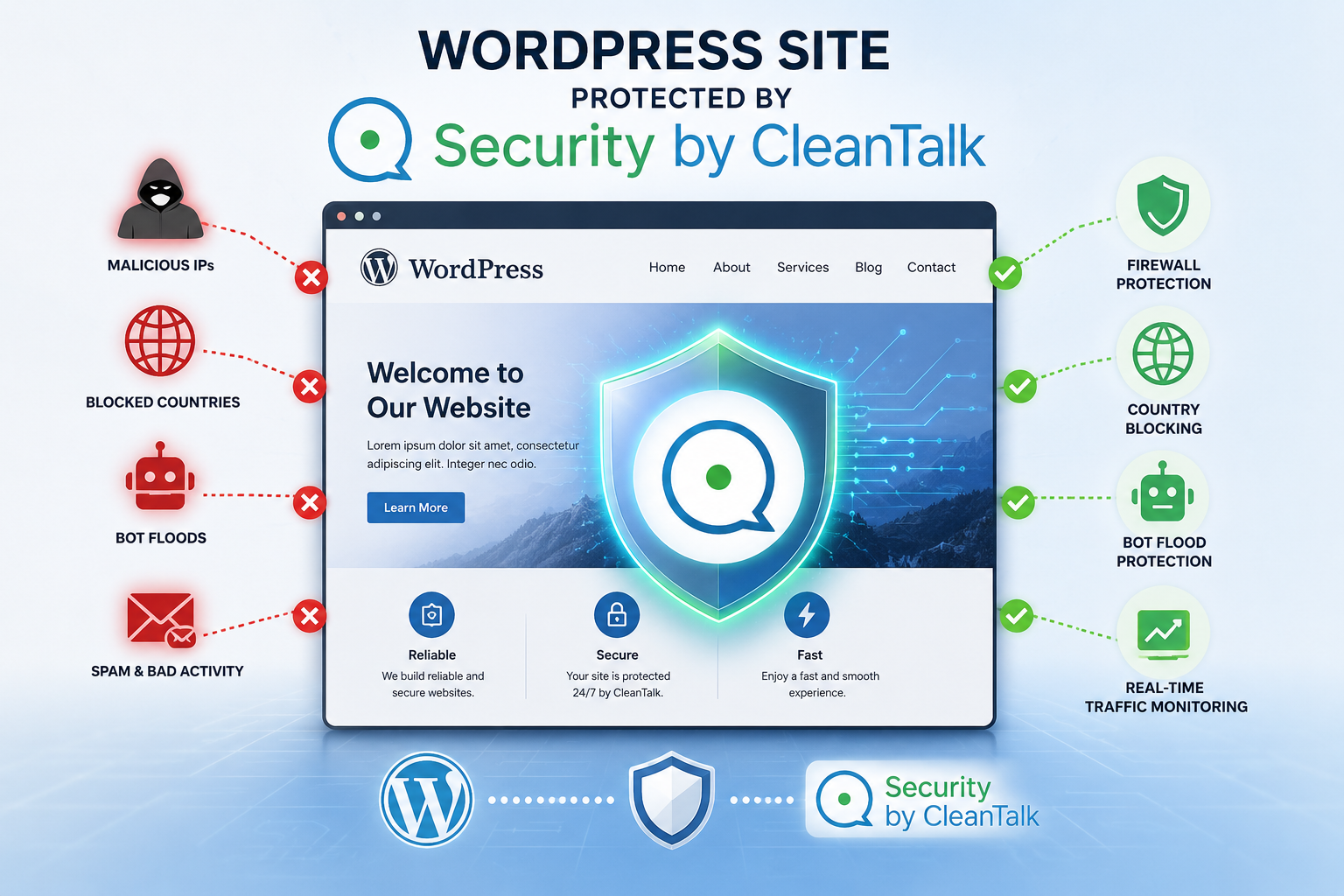
How to filter unwanted traffic on WordPress with the Security FireWall, Web Application Firewall and Traffic Control modules of Security by CleanTalk — blocking by IP, network and country, rate limiting, CDN setup, and how the alternatives compare.
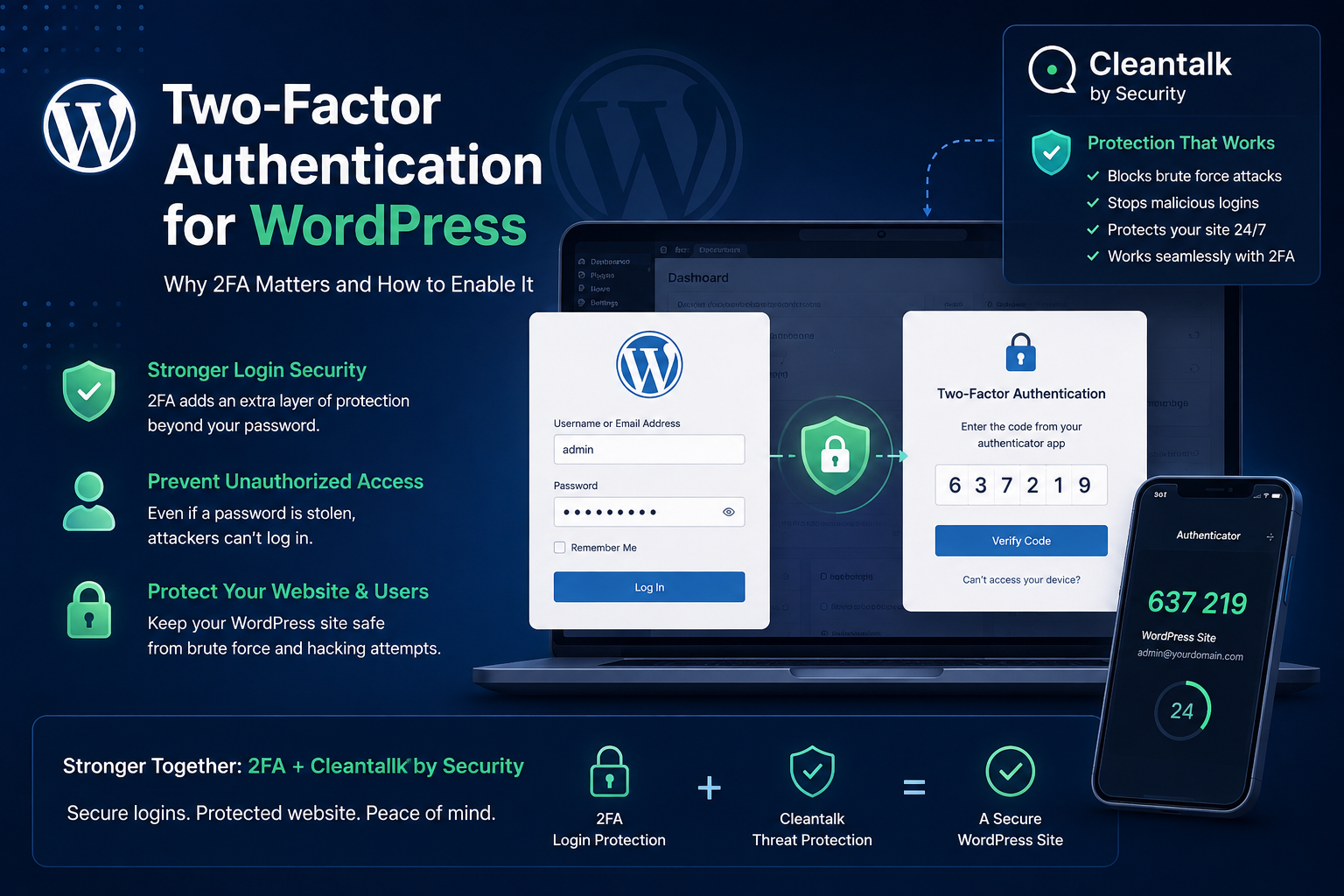
A stolen or guessed password should not be enough to take over your website — yet for most WordPress sites it is. Brute-force bots hammer /wp-login.php around the clock, and credential leaks from unrelated services are replayed against admin accounts every day. Two-Factor
Thumbnail regeneration tools delete derived image sizes, read original uploads, create replacement files, and execute batch operations across the media library. Force Regenerate Thumbnails version 2.3.0 has successfully completed the CleanTalk Plugin Security Certification process and received PSC-2026-64694, confirming that the review focused on attachment authorization, path confinement, batch requests, file deletion scope, image processing inputs, and progress handling.